Innovative alternatives to plastic bottles in ASEAN
♻️ Feeling Guilty About Single-Use Everything?
ASEAN startups are turning that guilt into action. Across Southeast Asia, innovators are proving that sustainability doesn’t have to cost more.
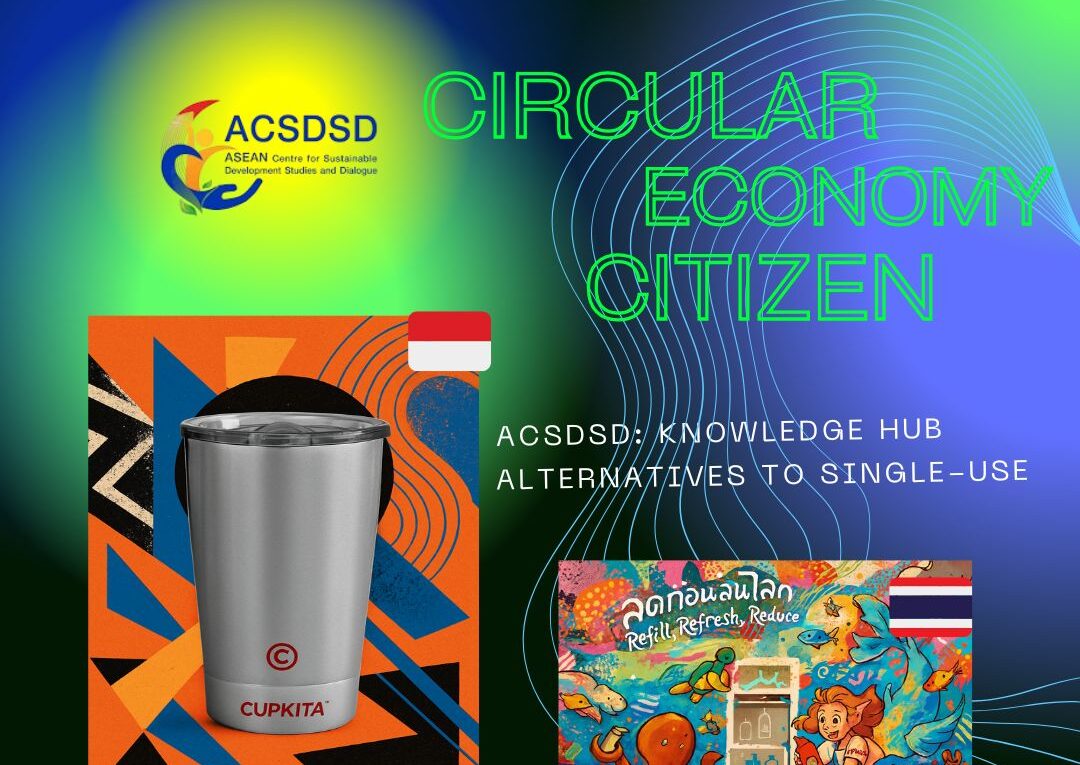
In Indonesia, rental cup systems like CupKita let users borrow reusable cups for a small deposit—cutting waste and saving money. These initiatives exemplify how public infrastructure (e.g., refill stations) and private startups can co-create impact.
In Thailand, the Bottle Free Seas initiative is transforming how Bangkok residents access clean drinking water. By installing refill stations in high-traffic areas like public parks, the program encourages people to bring their own bottles, reducing single-use plastic before it hits the landfill—where Bangkok generates over 1,500–1,800 tons of waste daily.
According to EJF, these refill stations have helped eliminate over 100,000 plastic bottles per month, which amounts to 1 million plastic bottle reduction in a year and saved consumers more than 7.2 million baht in bottled water costs. It’s a win for wallets and the ocean.
Why should sustainability cost more?
Across ASEAN and beyond, a growing debate is unfolding: should living sustainably come with a premium price tag? For many consumers, the idea that eco-friendly choices—like reusable packaging or low-carbon products—are more expensive feels contradictory. If sustainability is essential, why isn’t it accessible?
Policymakers, economists, and civil society are grappling with this tension. Some argue that higher costs reflect the true environmental impact of production, while others believe that circular models can actually reduce costs over time, based on reuse, local sourcing, and minimal waste. The question isn’t just economic; it’s ethical. Should climate-friendly living be reserved for those who can afford it?
This debate is food for thought for ASEAN’s development agenda. As societies rethink consumption, the challenge is clear: make sustainability not just aspirational, but attainable. Circular models prove it’s possible—they reshape habits, expand access, and reduce waste, one refill at a time
Explore Resilience Against Climate Change
📬 Contact: Pakjira Numchaisombut (pakjira.num@acsdsd.org)
For contributions to the ACSDSD blog or inquiries about ASEAN sustainability campaigns.
♻️ Did You Know?
How many plastic bottles did Bottle Free Seas help eliminate monthly in Bangkok?
10,000
50,000
✅ 100,000 (Correct!)
500,000
Explore Resilience Against Climate Change
📬 Contact: Pakjira Numchaisombut, Communication Officer at ACSDSD (pakjira.num@acsdsd.org)
For contributions to the ACSDSD blog or inquiries about ASEAN sustainability campaigns.
📘 ASEAN Complementarities Focus Areas
ASEAN Complementarities Initiatives
Infrastructure and Connectivity
Sustainable Consumption & Production