Opinion Piece: The ASEAN Centre for Sustainable Development Studies and Dialogue (ACSDSD) and Its Future Direction
Reading time: 8 minutes
Executive Summary
The ASEAN Centre for Sustainable Development Studies and Dialogue (ACSDSD) is positioned to become ASEAN’s premier platform for sustainability research, dialogue, and capacity building. This paper explores how the role of the ASEAN Centre for Sustainable Development Studies and Dialogue (ACSDSD) is evolving as a flagship mechanism for advancing sustainable development in ASEAN, and contends that effective regional action must draw from ASEAN’s own values, knowledge traditions, and people-centered vision. It analyzes existing regional frameworks and practices, pinpoints critical implementation gaps, and underscores the importance of local wisdom, human-centered approaches, and robust multi-stakeholder cooperation in fostering more inclusive, resilient, and culturally grounded sustainability transitions. Building on recent regional dialogues and initiatives, the paper outlines strategic directions to enhance thought leadership, strengthen ownership, and cultivate a new generation of sustainability change-makers in ASEAN.
About the Author
Quick Navigation
Background
The ASEAN Centre for Sustainable Development Studies and Dialogue (ACSDSD) was established in 2019 as a flagship initiative to promote sustainable development across ASEAN. Its creation is grounded in the Complementarities Initiative and aimed at synergizing the ASEAN Community Vision 2025 and the UN 2030 Agenda for Sustainable Development. ACSDSD operates as a regional catalyst for research, dialogue, and capacity-building, supporting the formulation, implementation, and monitoring of regional sustainability agendas.
1. Current Strategic Role and Mandate
A. Research and Knowledge Creation
A core function of ACSDSD is to generate and disseminate research on sustainable development challenges unique to Southeast Asia. This involves:
- Commissioning and conducting multi-sector, cross-disciplinary, and comparative research on pressing issues such as the circular economy, resilience, green finance, gender, climate adaptation, and digital transformation.
- Hosting the ASEAN Circular Economy Stakeholder Platform (ACESP), which functions as a regional hub for knowledge and best-practice sharing, aiming to localize and advance sustainable production and consumption in member states.
- Engaging in joint research programs, including partnership with the EU SWITCH-Asia Programme, and supporting knowledge platforms such as Massive Open Online Courses (MOOCs) for capacity enhancement.
B. Platform for Policy Dialogue and Cooperation

ACSDSD was positioned to serve as a premier venue for:
- Policy dialogues that convene stakeholders from government, academia, business, and civil society, to address the practical and ethical dimensions of sustainable development and assess policy options.
- Regional events such as the ASEAN Multi-Stakeholder Forum on Sustainability which facilitate exchange among ASEAN, UN agencies, and external partners, aiming for alignment and coherence between the ASEAN Vision 2045, Community Strategic Plans, and the SDGs.
- Facilitating networking, capacity building, and peer learning among ASEAN centres, sectoral bodies, and affiliated entities working on sustainability issues.
Download the ASEAN-Community-Vision-2045
C. Institutional Support & Implementation Coordination

ACSDSD has a distinct responsibility to:
- Provide institutional support in rolling out the Complementarities Roadmap, acting as a coordinating mechanism for implementation, reporting, and mainstreaming regional initiatives.
- Host specialized knowledge hubs, support the mapping and sharing of best practices, and foster South-South and Triangular Cooperation that enhance collective capacity to meet ASEAN and global commitments such as the SDGs.
- Track progress and develop evidence-based policy inputs for ASEAN-level reporting, including on SDG indicators, complementing national and regional monitoring frameworks.Download the Complementarities Initiative 2.0
3. Current Challenges
Bridging the implementation gap
Turn regional commitments into national action with toolkits, peer learning, and country-tailored support.
Ensuring policy relevance
Co-create locally resonant solutions; pilot, iterate, and scale what communities validate.
Guaranteeing inclusivity
Amplify the voices of women, indigenous peoples, informal workers, youth, and persons with disabilities in decisions.
Financing sustainable transitions
Mobilize blended finance, grow domestic resources, and build accessible vehicles for community-level impact.
Despite notable progress, ACSDSD continues to face several persistent challenges.
-
- Bridging the implementation gap: While frameworks and strategies have proliferated, turning regional dialogue into national action remains uneven, largely due to varied capacity among member states and complex cross-sectoral coordination.
- Ensuring policy relevance: There is a persistent need to further localize and tailor best practices, avoiding over-reliance on external frameworks and instead fostering homegrown, culturally resonant solutions.
- Guaranteeing inclusivity: To guarantee genuine inclusivity in sustainable development, ASEAN must move beyond top-down policies and actively integrate the perspectives of marginalized and intersectional groups, including women, indigenous communities, informal sector workers, and persons with disabilities, in every stage of policy development and leadership.
- Financing sustainable transitions: Scaling up green investments and mobilizing adequate financial resources for region-wide transformation remains an ongoing challenge, particularly given the need for diversified and sustainable financing sources that combine public, private, and international contributions. Regionalization of financing is equally critical, as ASEAN seeks to strengthen domestic resource mobilization, promote accessible and inclusive financial ecosystems, and reduce over-reliance on external aid, especially in vulnerable communities.
4. Future Directions
A. Integrating Local Wisdom


Since its inception, ACSDSD’s ethos derives its foundation from the core ASEAN values of people-centeredness, inclusivity, and regional solidarity, which are central tenets articulated in regional blueprints such as the ASEAN Socio-Cultural Community Plan 2025. This ethos is vividly expressed through the purposeful integration of traditional wisdom and indigenous practices with modern sustainability science, a distinguishing feature of ASEAN’s approach to sustainable development.
The ACSDSD emphasizes leveraging local knowledge as a driver for effective, culturally resonant sustainability solutions, recognizing that centuries-old practices often embody adaptive strategies for resource management, resilience, and social cohesion. Key examples include:
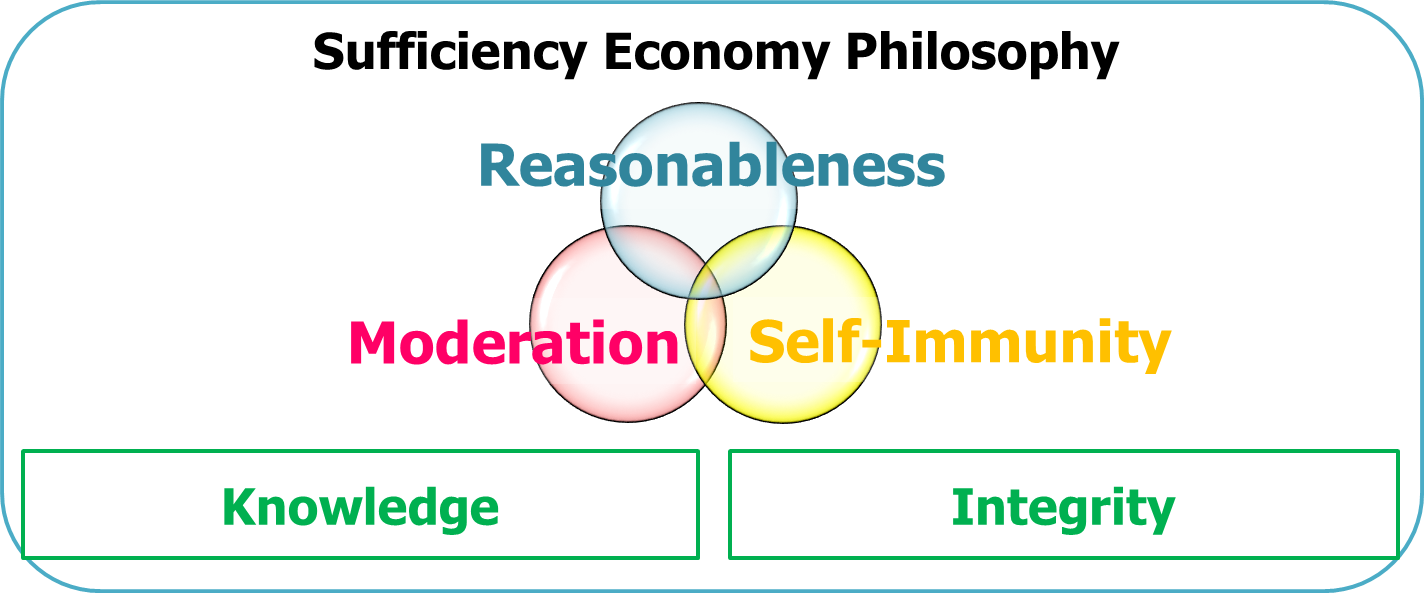
- Thailand’s Sufficiency Economy Philosophy (SEP): Rooted in Buddhist principles, SEP is a holistic model developed to steer Thai society towards resilience, self-reliance, and balance in four dimensions: economic, social, environmental, and cultural. It rests on moderation, reasonableness, and prudence, encouraging mindful consumption, wisdom in resource use, and community empowerment for sustainable livelihoods. SEP is now part of Thailand’s strategy for achieving the Sustainable Development Goals, and its principles have been shared across ASEAN as a blueprint for sustainable growth.
- Indonesia and Malaysia’s Gotong Royong: Widely practiced as a form of mutual cooperation and joint responsibility, Gotong Royong encapsulates communal solidarity and resource sharing. It manifests in collective efforts such as building public infrastructure, cleaning, or supporting vulnerable neighbors, actions that directly impact environmental stewardship, disaster response, and sustainable natural resource management. Gotong Royong thus promotes a sharing economy model, integral for circularity and resilience in ASEAN societies.
- Vietnam’s Tích Trữ (Thrift): Deeply embedded in Vietnamese culture, tích trữ extols resource conservation by making the most of what is available, extending the lifecycle of goods, prioritizing repair, and maximizing reuse to minimize waste. Combined with a profound respect for nature (trân trọng thiên nhiên), these values support sustainable production and responsible consumption, aligning closely with modern circular economy principles.
- Philippines’ Diskarte (Resourcefulness): Diskarte captures Filipino ingenuity, adaptability, and innovative problem-solving in the face of scarcity or adversity. It refers to the creative and practical strategies used by individuals and communities to stretch limited resources, overcome challenges, and sustain wellbeing. It is evident in everything from family microbusinesses to local waste reduction practices.
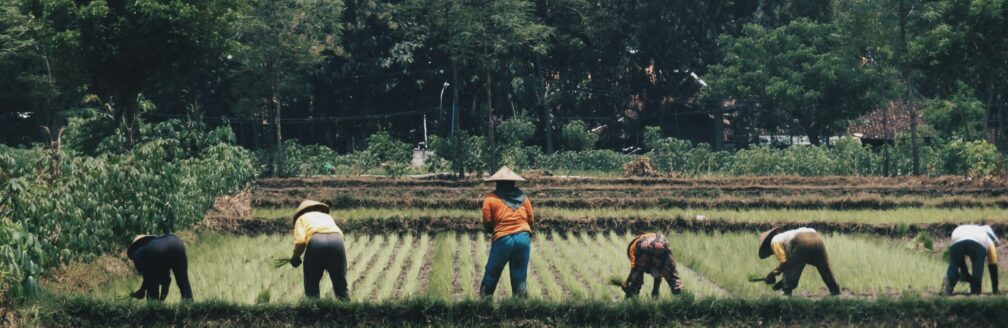
- These values underscore that sustainable development in ASEAN should not be viewed merely as a technical challenge but must also be treated as a social and cultural endeavor, reflecting Southeast Asia’s diverse contexts and identities.Grounded in these values and practices, ACSDSD positions ASEAN’s development path as one that seeks a harmonious balance between economic growth, environmental stewardship, and the preservation of cultural identity. ACSDSD will continue to advocate sustainable development pathways that are not only technically effective but are deeply embedded in the region’s lived realities and collective aspirations. This integration of diverse local wisdom into modern sustainability frameworks is seen as essential to achieving the 2030 sustainable development agenda and securing ASEAN’s resilience in an era of rapid change.ACSDSD should actively integrate ASEAN’s regional cultural narratives and knowledge into all development programming, education, and advocacy, especially in projects supported by external partners. ACSDSD should establish inclusive co-creation processes where local voices help shape program content and delivery, thus ensuring that sustainability efforts are genuinely relevant, relatable, and actionable across ASEAN societies. By championing this approach, ACSDSD can enhance community ownership, strengthen local capacity, and ensure that ASEAN’s values and wisdom are foundational to the region’s sustainable development path.</
B. Human-centered Approach
Human-centered approach should be foundational to ASEAN’s sustainable development agenda, as it emphasizes people as both the agents and primary beneficiaries of sustainable development, ensuring that no one is left behind, especially vulnerable populations, marginalized groups, women, indigenous peoples, youth, persons with disabilities, and intersectionality group.
ACSDSD should take a leading role in tailoring regional sustainability concepts by co-creating localized sustainable policies with communities, supporting lifelong human capital development, and facilitating the adoption of innovative models in areas like the bio-circular-green economy. This regional-tailoring ensures policies are both culturally resonant and effective, fostering greater community buy-in and sustainable behavioral change. It is also critical for ACSDSD to invest in robust and disaggregated data systems to identify intersecting vulnerabilities and better target interventions, ensuring that implementation is both evidence-based and equitable.
To operationalize human-centered sustainable development, ACSDSD will strengthen multi-stakeholder partnerships, including government agencies, the private sector, academia, and civil society organizations (CSOs). This entails establishing platforms for regular policy dialogue, participatory planning, and regional knowledge-exchange, such as through ASEAN Multi-Stakeholder Forum on Sustainability and the Complementarities Initiative 2.0. Another key priority will be advancing green finance, fostering blended financing mechanisms, and enhancing localized and regional approaches to resource mobilization, ensuring investments are both accessible at the grassroots level and contribute to long-term sustainability in ASEAN.
C. Strategic Leadership
ACSDSD is uniquely positioned to catalyze and shape the region’s transformative agenda through thought leadership and evidence-based policy advice. To meet the future needs of ASEAN, ACSDSD should lead in pioneering research and foresight in high-priority areas, including carbon neutrality, circular and digital economies, environmental, social and governance (ESG) standards, Human Rights Due Diligence (HRDD), and sustainable finance, tailoring its methodologies and datasets to ASEAN’s specific socio-economic and cultural contexts.
In this role, ACSDSD will serve as an intellectual hub, guiding member states in translating global frameworks, such as the UN 2030 Agenda and the Paris Agreement, into actionable regional and national strategies that reflect ASEAN’s diverse realities. By advancing scenario-building, regional data harmonization, and strategic foresight, the Centre will help ASEAN anticipate and navigate complex transitions such as the pathway to carbon neutrality, the operationalization of interoperable carbon markets, the mainstreaming of ESG standards, and the integration of human rights into business and investment practices, among others.
ACSDSD’s impact will be amplified through cross-pillar research, capacity-building, and dialogue initiatives. By synthesizing ASEAN-specific insights, ACSDSD will enhance policy coherence across member states, fosters regional best-practice sharing, and informs the design of just, inclusive, and resilient transition. Further, as a convener of thought leaders and practitioners, ACSDSD is well-placed to link academia, policymakers, private sector stakeholders, and civil society
D. Next Generation Change-Makers







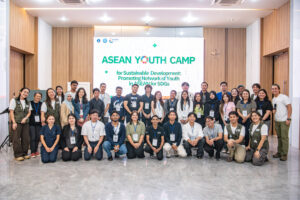
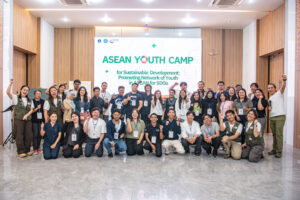
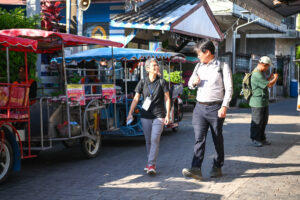

To realize the ambitious goals of the ASEAN Community Vision 2045 and ensure human-centered sustainable development pathways, ACSDSD should place particular emphasis on fostering active, region-wide participation, beginning from the classroom to community forums and digital platforms. Transformative change requires that youth and learners not only be recipients of knowledge, but also empowered as active agents who shape policies, champion local solutions, and inspire collective action.
ACSDSD should extend its focus on embedding ASEAN sustainability values in school curricular, teacher training, and informal learning, highlighting local and regional sustainability knowledge and innovations to make sustainability relatable for all ASEAN students. ACSDSD should also support youth leadership through platforms such as councils, camps, and regional campaigns, empowering young people to lead projects and inform decision-making. Public engagement needs to reach families, media, and the digital space, using storytelling and technology to connect sustainability with everyday life. Prioritizing outreach to marginalized and vulnerable youth ensures equitable access for all. By making public engagement, education, and youth empowerment central, ACSDSD can help build a resilient and ASEAN-owned sustainability culture.
Visit ACSDSD’s digital campaigns: #ACSDSDspotlight #WeareCircularASEAN
E. Partnerships & Engagement
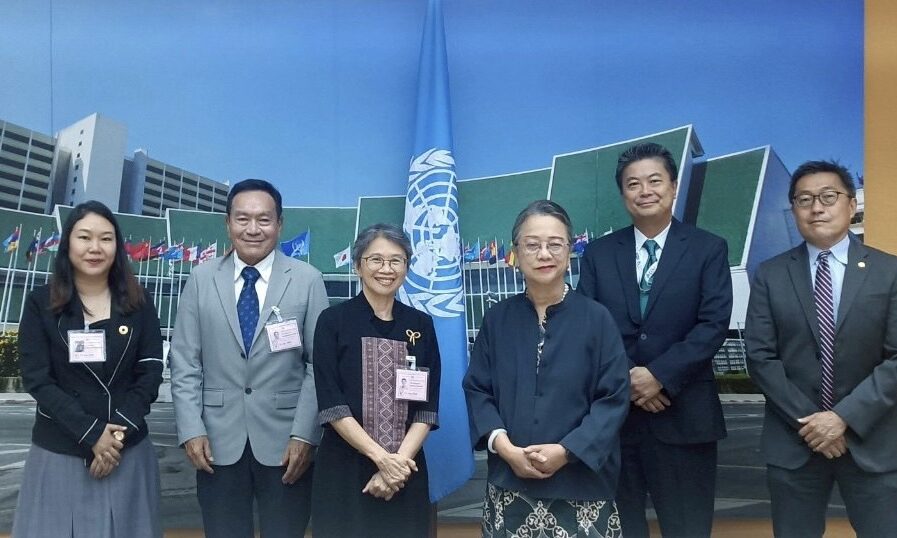
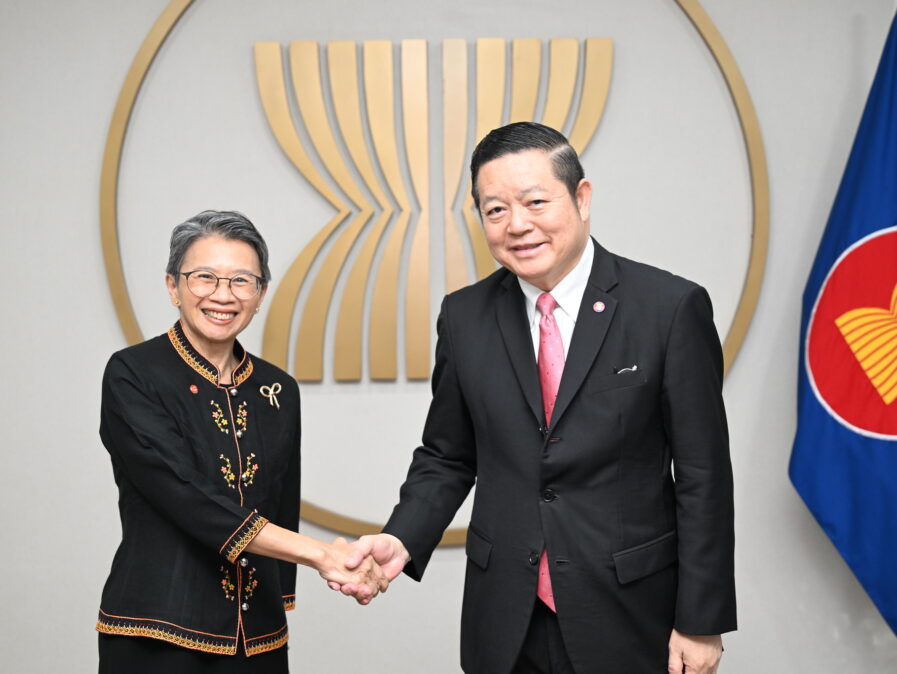
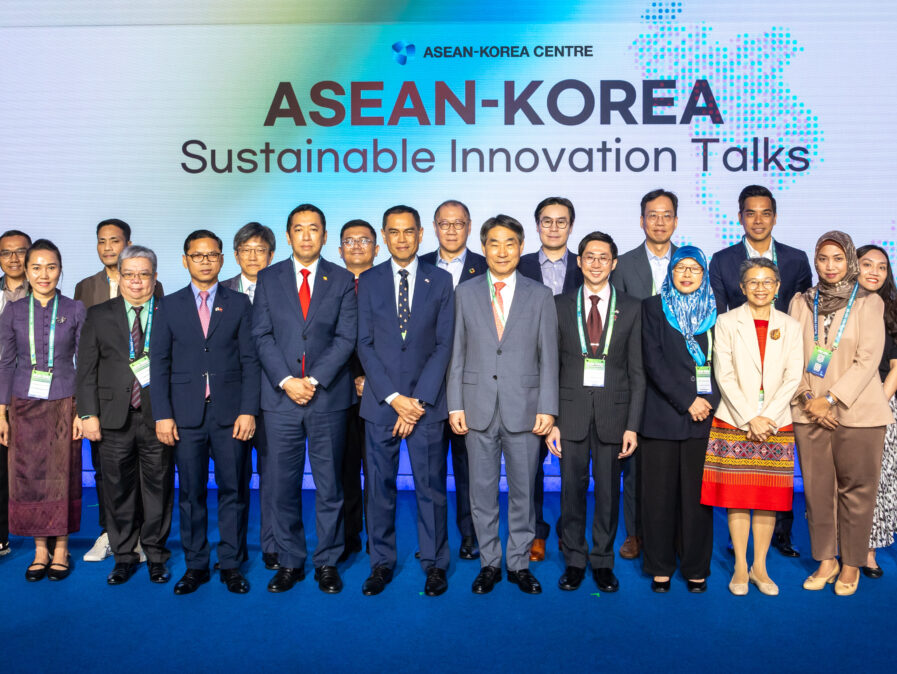
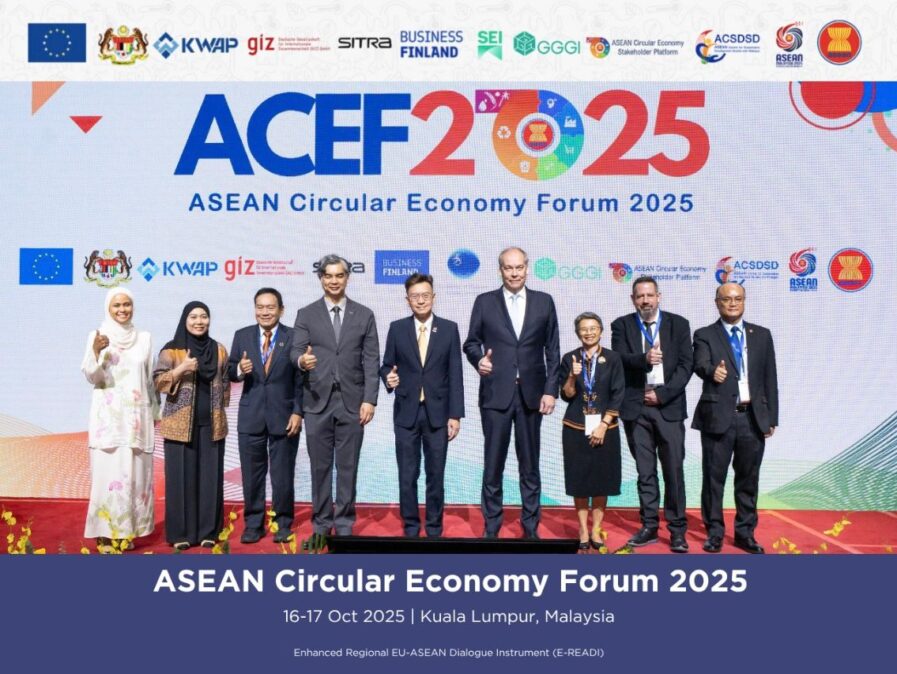
It is indispensable to expand collaboration with international partners, such as UN agencies, development banks, and ASEAN’s diverse external partners. ASEAN’s broad range of external stakeholders is essential as it ensures ASEAN’s priorities, expertise, and policy responses remain relevant and impactful amid changing global dynamics. Strengthening international cooperation, while maintaining ACSDSD’s role as the region’s intellectual and strategic leader, is crucial for fostering coherence, agility, and local ownership in ASEAN’s sustainable development journey.
ACSDSD’s capacity to coordinate and facilitate the implementation and upscaling of multi-partner initiatives is well established, particularly in its role as Secretariat to the ASEAN Multi-Stakeholder Forum on Sustainability and a regional knowledge exchange hub. By grounding cooperation in participatory knowledge sharing and regional cultural values, ACSDSD not only avoids one-way knowledge transfer but also fosters effective, mutually beneficial partnerships across Southeast Asia. The Center should explore its role as an implementing agency for sustainable development support from ASEAN external partners including through bridging ASEAN external partners to engage more effectively with local institutions, communities, and other ASEAN Centers through coordinated frameworks and shared platforms, avoiding overlap, maximizing synergies, and scaling innovative models for inclusive green growth, circular economy, and resilience.
F. Institutional Capacity
Strengthening the institutional capacity of ACSDSD is pivotal for its effectiveness as a regional knowledge hub and convenor in ASEAN’s sustainability agenda. This requires comprehensive investment in skilled human resources, technical expertise, and modern management systems to coordinate regional initiatives and foster peer learning among ASEAN member states. Practical governance structures and sustainable financial models are needed to support ACSDSD’s ability to deliver impactful research, policy dialogue, and specialized programs. Proactive partnership-building with universities, local governments, civil society, and ASEAN external partners will further amplify ACSDSD’s role and position in and outside the region.
Conclusion
The ACSDSD stands at the confluence of strategy and praxis, tasked with guiding ASEAN’s sustainability transformation amid global uncertainty and regional heterogeneity. Its future direction must be anchored in intellectual leadership, authentic cross-sectoral and multi-stakeholder dialogue, human-centred approach, and a deep appreciation for the region’s diverse values and knowledge systems. By nurturing homegrown solutions, fostering partnerships with ASEAN and ASEAN external partners, and building institutional strength, ACSDSD is well-positioned to ensure ASEAN’s smooth and successful transition to a resilient, inclusive, and sustainable future.