Bangkok Promotes Energy Conservation in Public Buildings to Reduce Greenhouse Gas Emissions
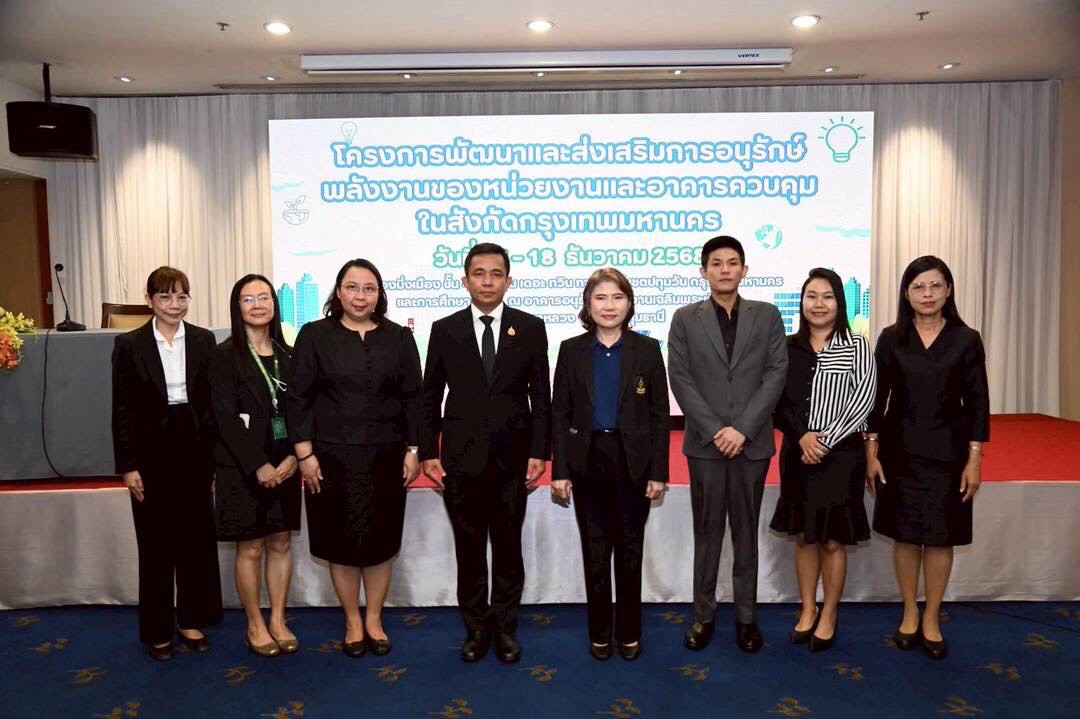
On 17 December 2025, the Bangkok Metropolitan Administration (BMA) officially launched the “Training Programme on Energy Conservation and Energy Efficiency for BMA Agencies and Controlled Buildings”, as part of the Bangkok Energy Action Plan (2024–2030). The opening ceremony was presided over by Dr. Lertruks Leelaruangsang, Deputy Permanent Secretary of the Bangkok Metropolitan Administration, at The Twin Towers Hotel, Pathumwan District.
In her opening remarks, the Deputy Permanent Secretary highlighted recent flooding incidents in Hat Yai, rising PM2.5 pollution levels, and increasing health impacts on vulnerable groups such as children and patients with chronic diseases. While these challenges may appear to be caused by natural disasters, she emphasized that they are largely driven by climate change, with major contributors being fossil fuel consumption in industry, transport, and electricity generation.
Bangkok, with its large number of public buildings and high energy demand—particularly from air-conditioning systems—has a critical role to play in reducing energy use and greenhouse gas emissions. The training reflects BMA’s strong commitment under the Bangkok Climate Change Master Plan (2021–2030) and aims to transform BMA buildings into energy-efficient and low-carbon buildings, in line with the BMA Net Zero policy.
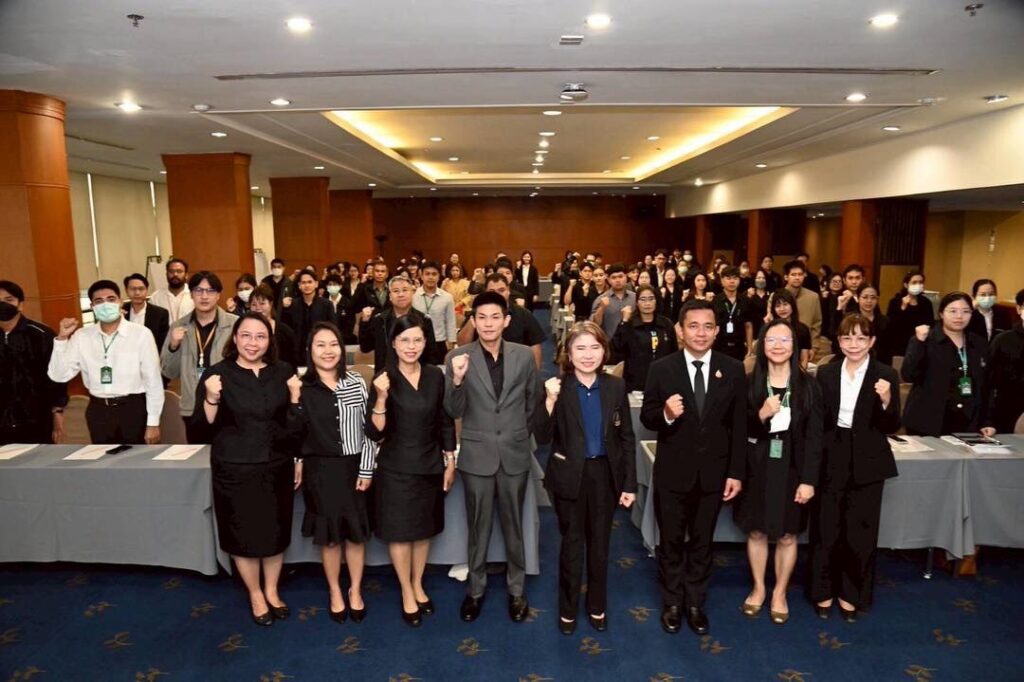
The programme brought together 74 officials from BMA departments and district offices who are responsible for energy-related work. Participants are expected to apply the knowledge gained to develop energy-saving initiatives within their respective agencies and to support the effective implementation of Bangkok’s energy and climate action plans.
ACSDSD and ACESP Contribution
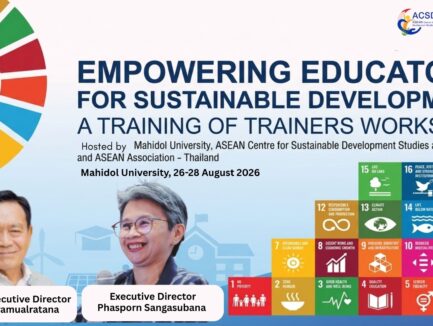
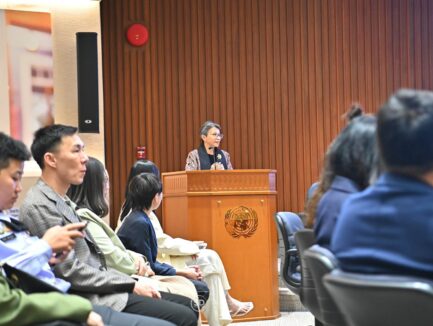
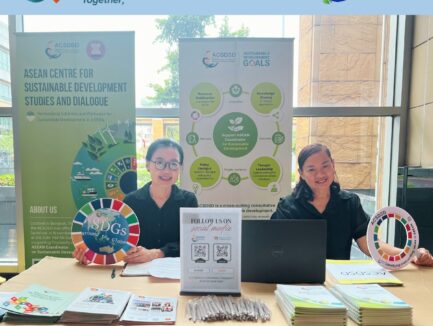
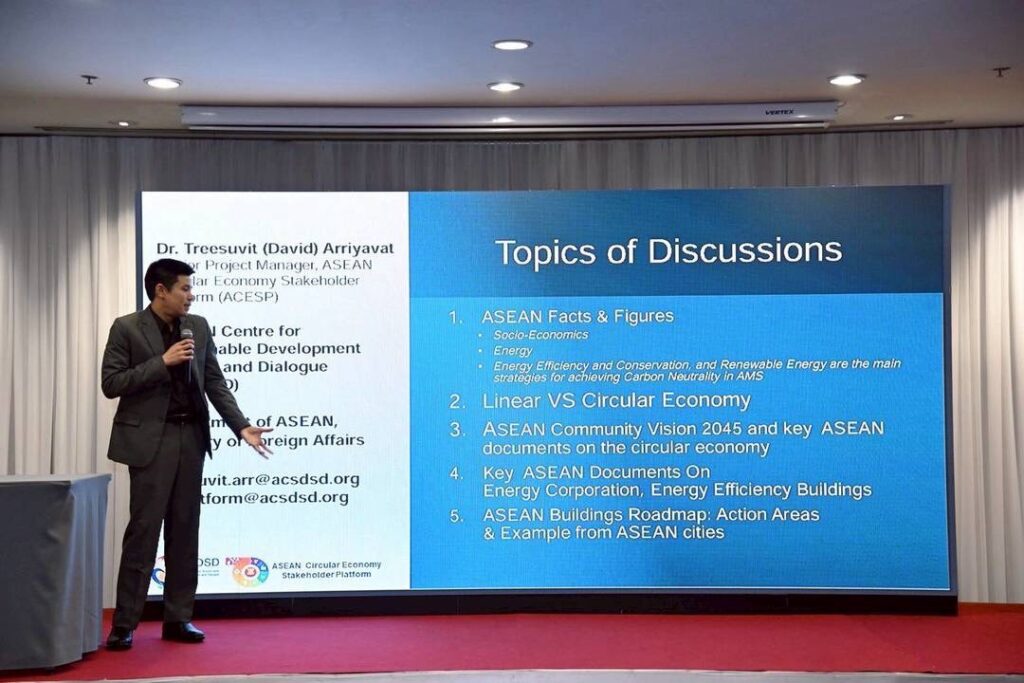
The ASEAN Centre for Sustainable Development Studies and Dialogue (ACSDSD) was honored to contribute to this important initiative. Dr. Treesuvit Arriyavat (David) represented ACSDSD and delivered a lecture in the session titled:
“Energy Conservation and Efficient Resource Use: The Role of the Circular Economy in Driving Sustainable Development in ASEAN.” The session was delivered with support from Khun Tanida Bowornthanasathit of ACSDSD, and highlighted practical case studies and lessons learned on how circular economy approaches can enhance energy efficiency, optimize resource use, and support ASEAN’s progress toward the Sustainable Development Goals (SDGs).
The ASEAN Circular Economy Stakeholder Platform (ACESP), hosted by ACSDSD, is proud to be part of this collaborative effort, supporting knowledge-sharing and capacity-building to accelerate the circular and low-carbon transition across ASEAN cities.
Programme Highlights
The training programme included:
- Thailand and Bangkok’s energy transition strategies toward sustainable cities, delivered by experts from the Energy Policy and Planning Office, Ministry of Energy.
- Energy conservation and efficient resource use through circular economy approaches, presented by ACSDSD.
- Sustainable and efficient energy use in buildings, delivered by the German International Cooperation (GIZ).
- A group discussion on awareness and participation in energy efficiency and renewable energy use in buildings.
Participants will join a study visit on to the Energy Conservation Building Commemorating His Majesty the King, Khlong Luang District, Pathum Thani Province.
The event was attended by senior executives from the BMA Environment Department, experts from the Ministry of Energy, ACSDSD, GIZ, and officials from BMA departments and district offices.