From Vogue and MFA Thailand ‘ Renim ‘ project champion sustainable fashion on the global stage
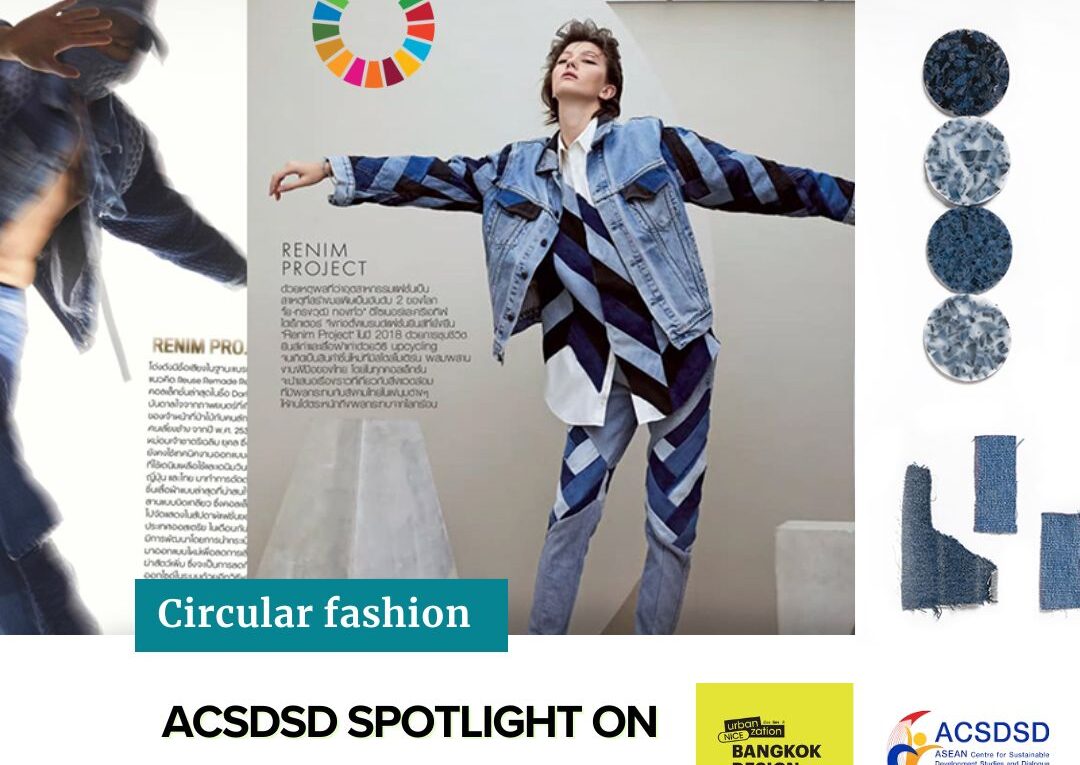
Renim Project from Thailand was once an SME brand who make a name for Thailand in the international sustainable fashion scene. Here’s how they do it written by #ACSDSD spotlights
Renim is a sustainable fashion brand founded by Yo Songwut Thongtua, focusing on the remake, reduce, and redesign of vintage denim and textiles. The brand aims to address environmental issues by transforming discarded materials into stylish garments, promoting a conscious lifestyle that supports local artisans and sustainable practices. Renim Project has gained recognition for its innovative approach to fashion, showcasing the potential of combining high fashion with environmental responsibility.
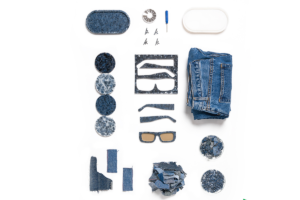
REMADE / REDUCE / REDESIGN — turning second-hand jeans, deadstock fabrics, and discarded materials into new fashion pieces.
Not only do they sell upcycled jackets and jeans, but the Thai Renim also made a bag from marine waste.

In a collaboration with QUALY through the Net Free Seas initiative by the Environmental Justice Foundation Thailand, Renim designed the “Bring it back” bag from discarded fishing nets, sourced from local fishers. This model not only addresses marine waste but also ensures that income is redistributed to local communities, fostering collaborative efforts in marine environmental conservation.
The bag’s handles are crafted from pre-used denim, repurposed from leftover materials from RENIM PROJECT’s own clothing production, giving a second life to what would otherwise be waste, which contributes to the circular economy development in Thai fashion industry.
Public-private partnership supports sustainable fashion initiatives in Thailand
The brand’s recognition through Vogue Who’s On Next 2018, organized by Vogue Thailand, underscores a deliberate national from both the fashion powerhouse in private sector and the government’s effort to cultivate emerging designers and strengthen SMEs within the fashion sector. The platform was established to identify and accelerate high-potential talents, providing them with industry exposure, mentorship, and pathways to international markets.
Complementing this, Renim Project’s participation in Bangkok Design Week, led by the Thailand Creative & Design Center (TCDC) under the Creative Economy Agency (CEA), highlights how state-supported cultural platforms function as critical enablers. These initiatives are designed to position Bangkok as a regional creative hub, offering designers both visibility and legitimacy while facilitating cross-sector collaboration and global engagement.
Together, these mechanisms illustrate how Thailand operationalizes soft power through design—leveraging sustainability, local craftsmanship, and cultural narratives to enhance its international positioning. At a structural level, this aligns with Thailand’s broader role as a regional coordinator on sustainable development. Through platforms such as the ASEAN Centre for Sustainable Development Studies and Dialogue (ACSDSD), the country reinforces its capacity to translate local innovation into regional policy dialogue—bridging creative industries with sustainability agendas across ASEAN.
Now Renim has available products on online and flagship stores in songwat area and on the 5th floor of Nextopia, Siam Paragon in Bangkok Thailand.
Learn more about them at renimproject.com