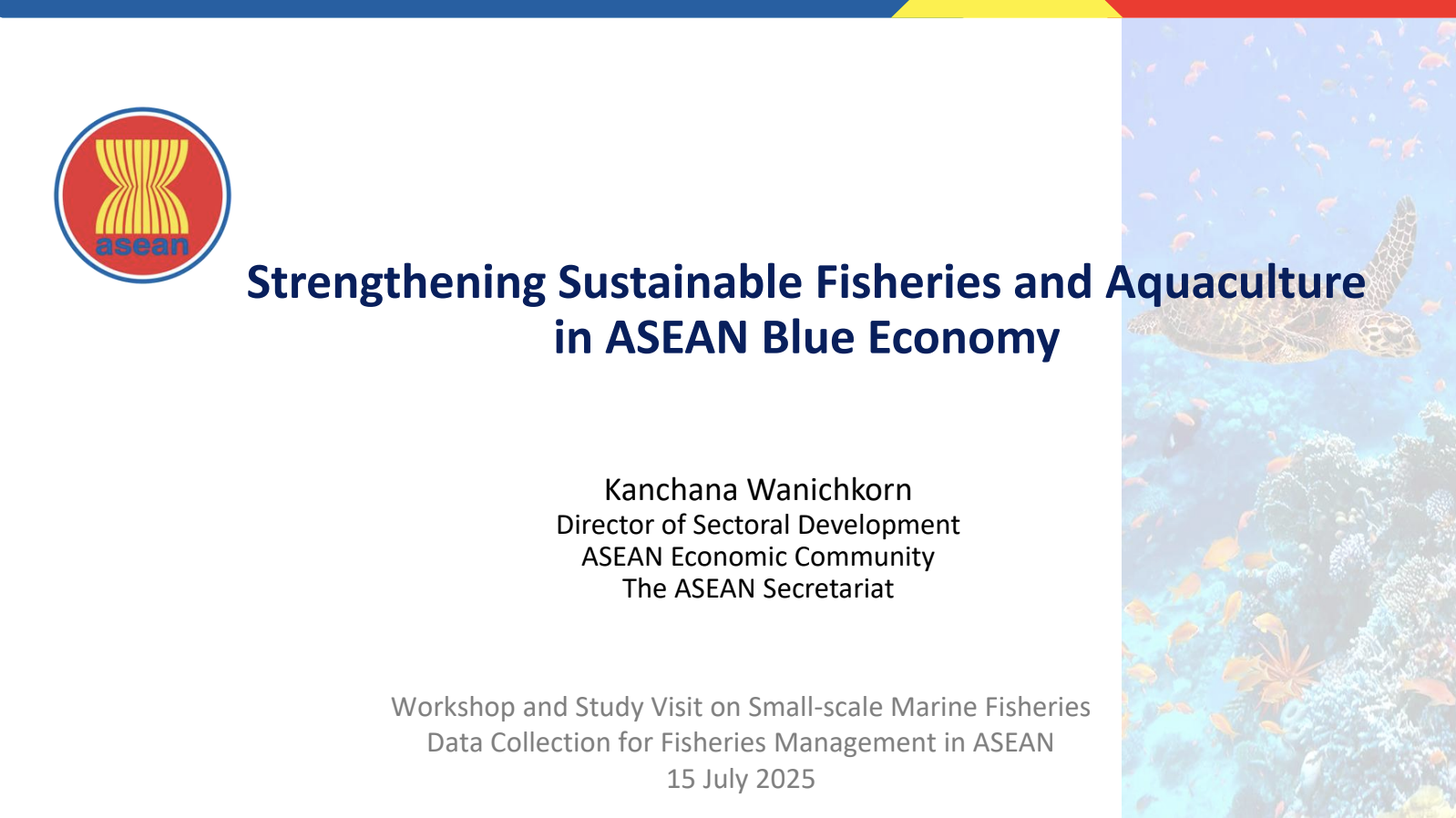
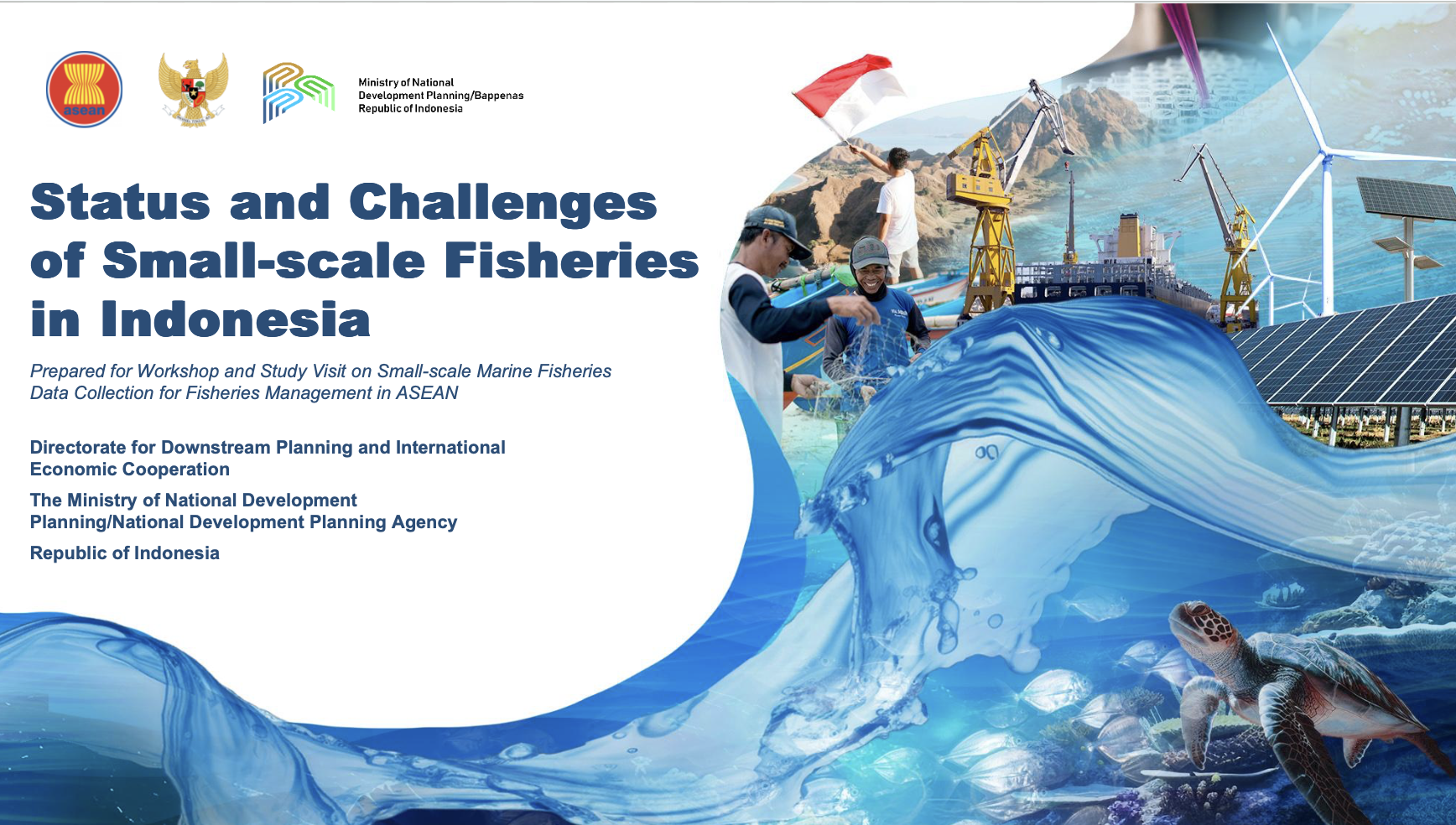
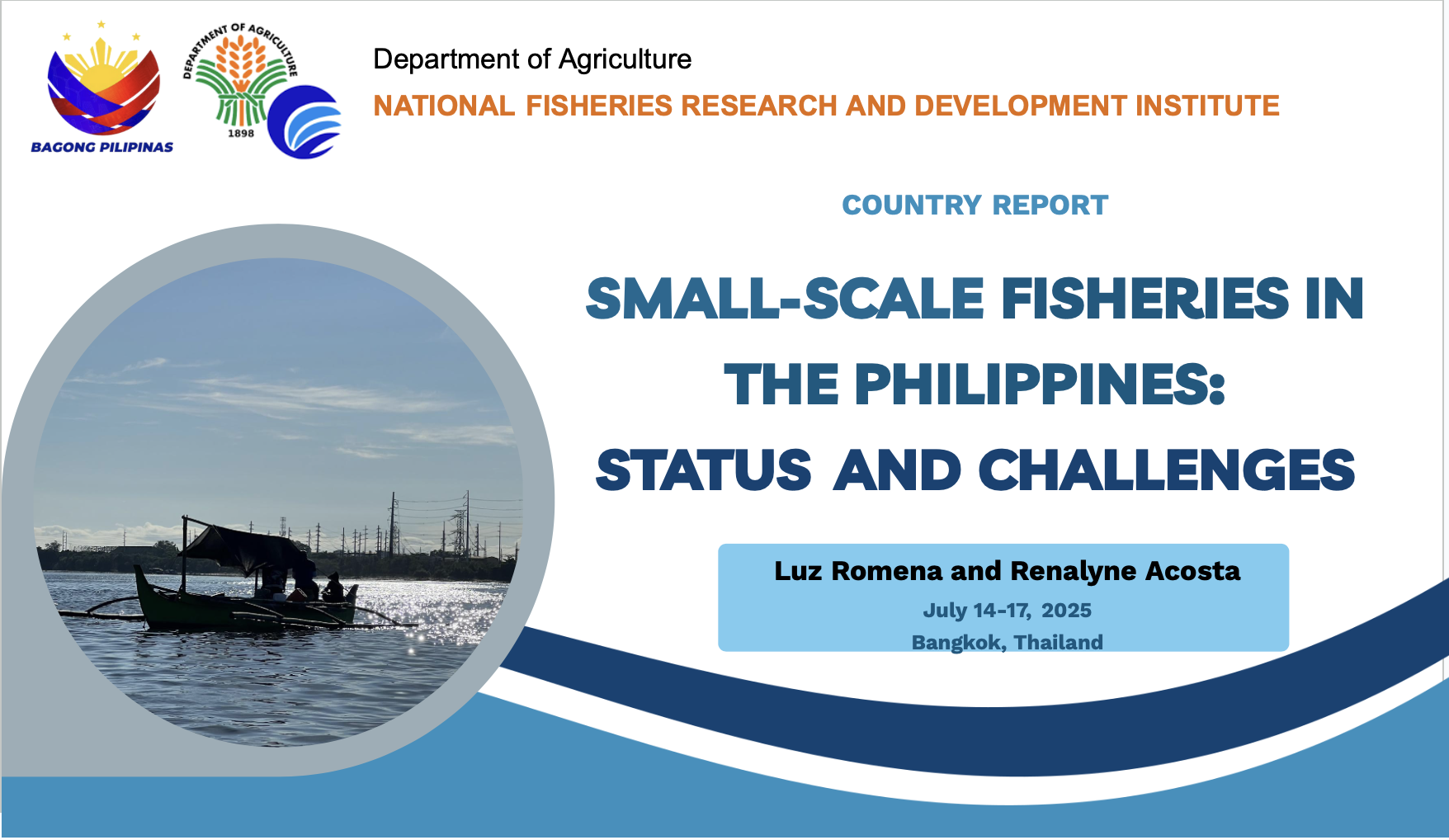
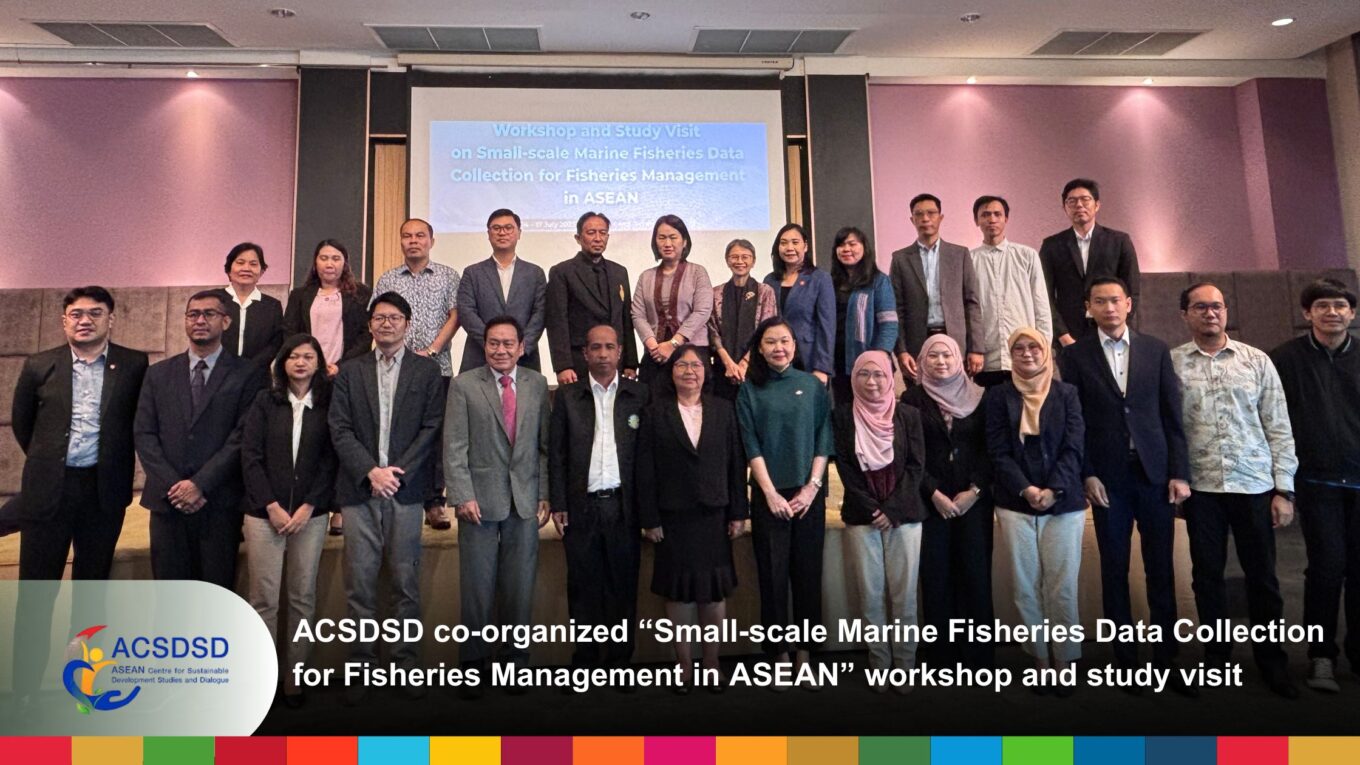
ACSDSD co-organized workshop and study visit on “Small-scale Marine Fisheries Data Collection for Fisheries Management in ASEAN”
Why should ASEAN collect data on small-scale fisheries?
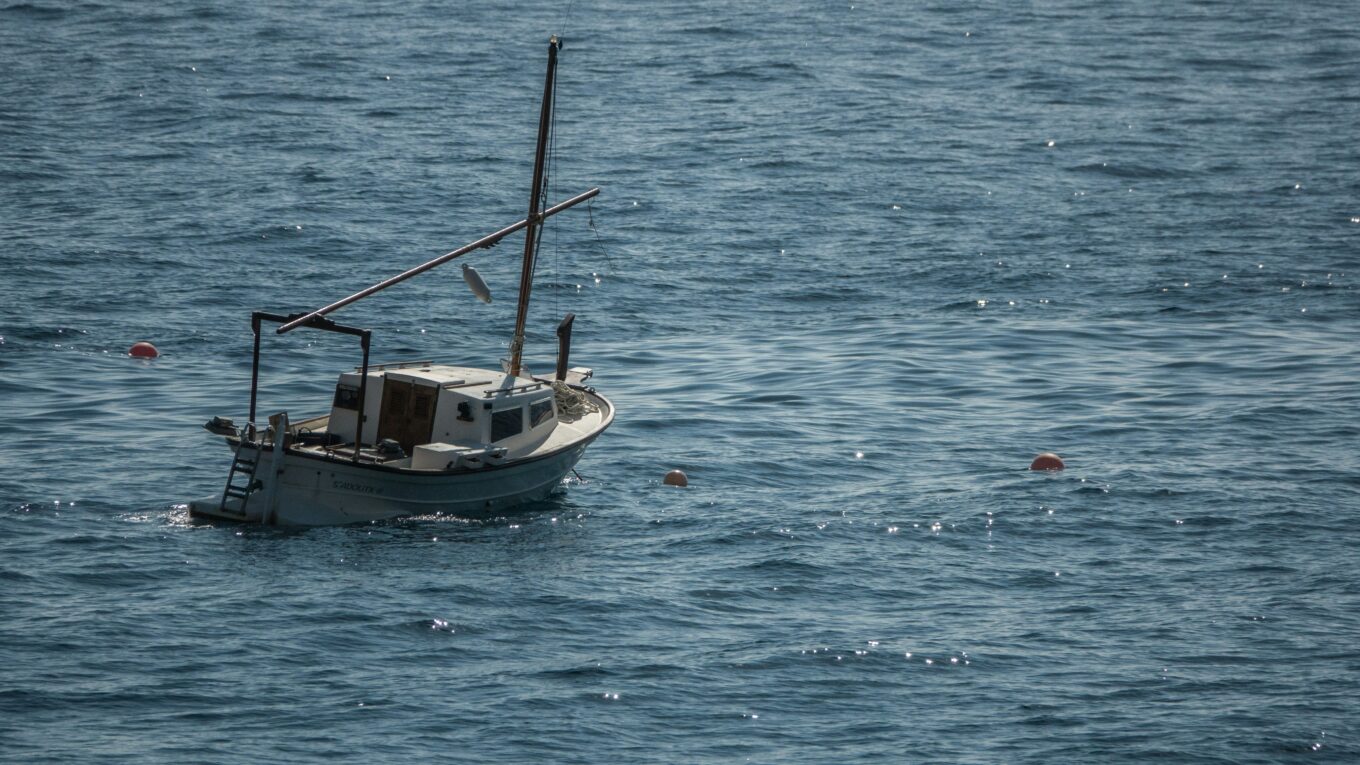
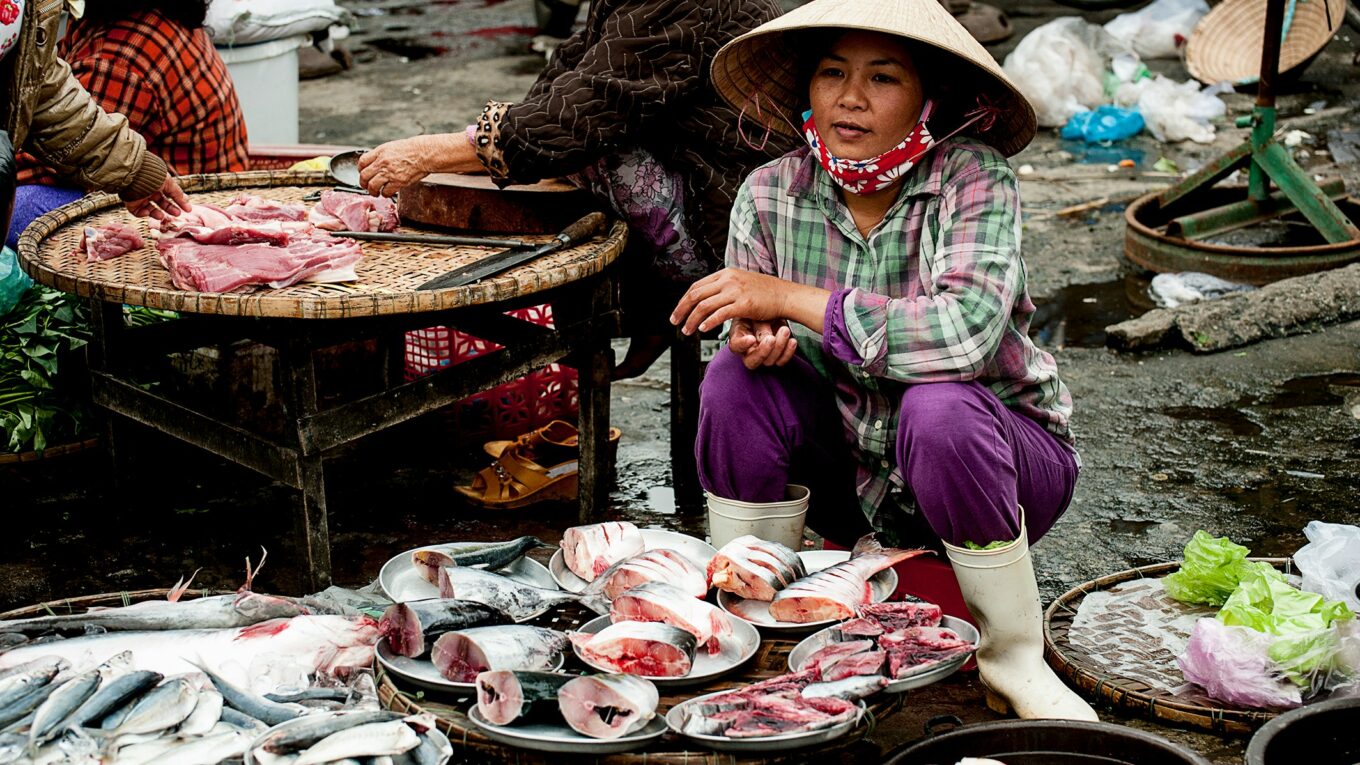
In the Southeast Asia region, the challenges faced by small-scale fisherfolks are complex and diverse. Key issues include the lack of an appropriate fisheries management framework, limited awareness and capacity to apply fisheries management tools, and the insufficient recognition of stakeholders, particularly women, in the decision-making process (SEAFDEC, 2024).
Establishing a framework with data collection become a method for strengthening small-scale fisheries that holds the potential to significantly enhance the livelihoods of coastal communities, promote inclusive growth, and contribute to food security and poverty reduction. Moreover, improved data collection can help address critical information gaps, mitigate environmental challenges such as overfishing, and support more efficient and sustainable resource management, thereby advancing the region’s blue economy, as the ASEAN Blue Economy Framework was adopted in 2023.
Read more on: SDGs Around the Globe — ACSDSD Knowledge hub
ACSDSD and our mission
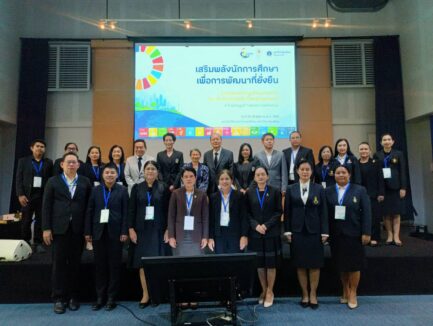
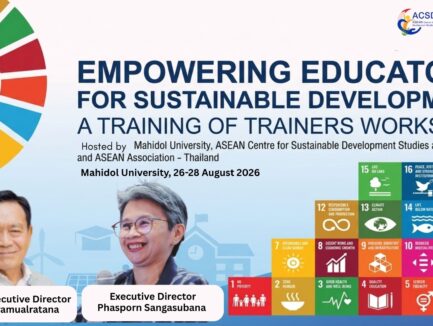
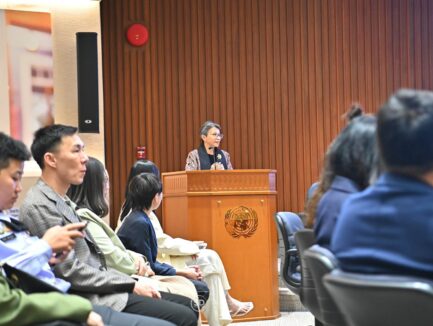
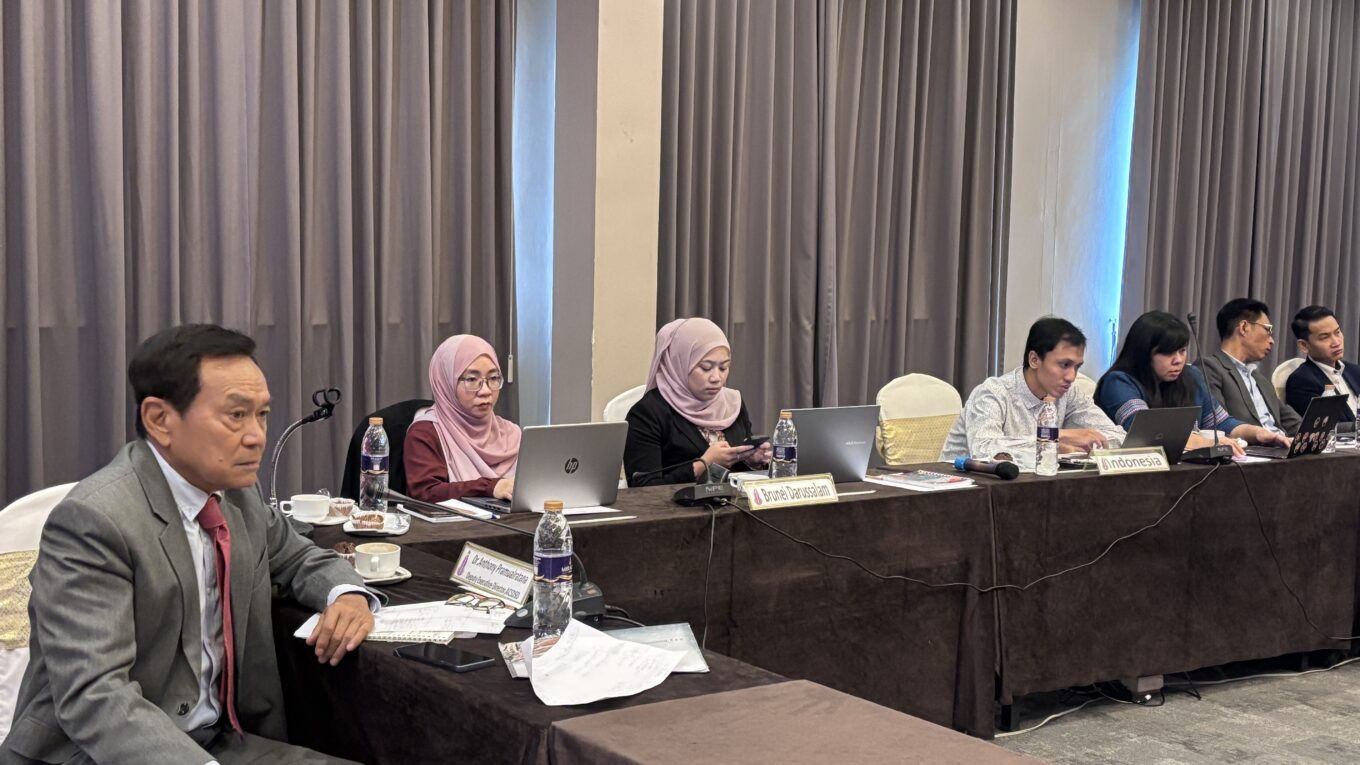
On 15 July 2025, H.E. Ms. Phasporn Sangasubana Executive Director and Dr. Anthony Pramualratana, Deputy Executive Director of ASEAN Centre for Sustainable Development Studies and Dialogue (ACSDSD) attended the workshop and study visit on “Small-scale Marine Fisheries Data Collection for Fisheries Management in ASEAN” co-organised by the Ministry of Foreign Affairs and the ASEAN Centre for Sustainable Development Studies and Dialogue (ACSDSD) in Bangkok.
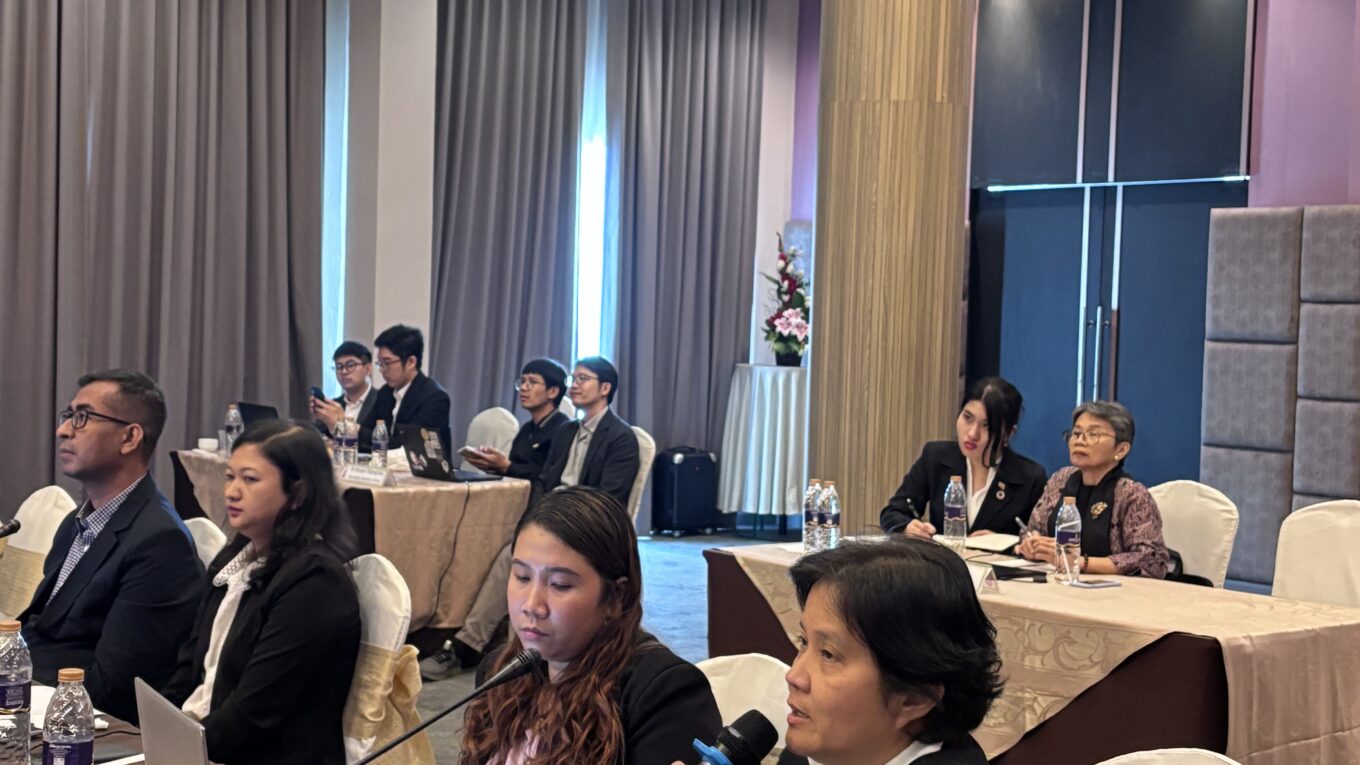
The programme brought together participants from eight ASEAN Member States (AMS), policymakers from the Department of Fisheries, Ministry of Agriculture and Cooperatives, Thailand and stakeholders from the Marine Fisheries industry, scientists and academics to strengthen best practices for sustainable fisheries management by the use of scientific data collection.🦞
The outcome
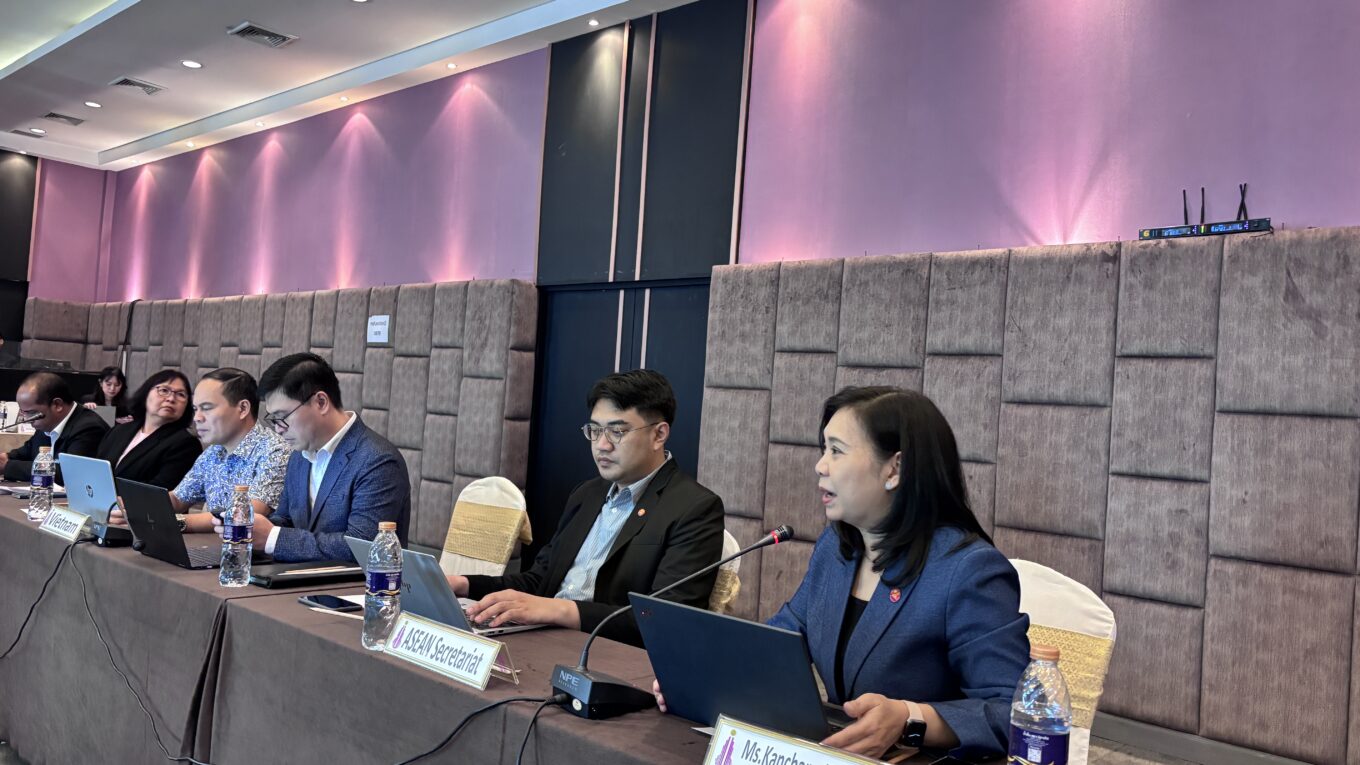
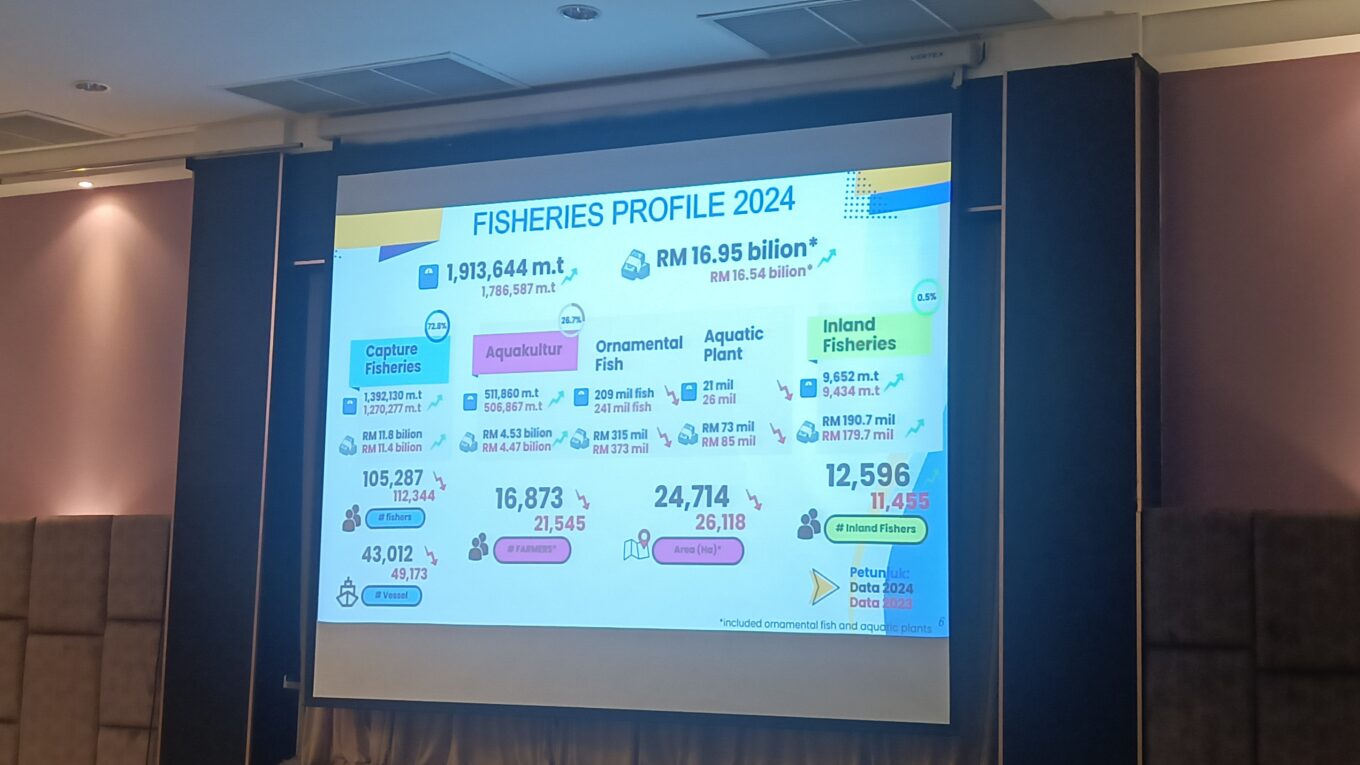
🐙📊🌍During the Workshop on Small-scale Marine Fisheries Data Collection, moderated by Dr. Anthony Pramualratana, also attended by the ASEAN Secretariat and the AMS participants. The participants from department of fisheries, Department of economy and research academic across Southeast Asia actively discussed their projects and challenges, including:
- Fisheries management data dashboard
- Environmental challenges on small-scale fisheries
- Local fisherfolk community-engagement
- Data collection challenges
The establishment of a data collection system in ASEAN that could benefit the assessment of conservation of species, overfishing and combat IUU-trawling.
The executive director emphasized on inclusive stakeholder engagement, education and awareness as key elements towards a successful data collection to improve regional small scaled fisheries management, enhance resource efficiency and thereby, achieve sustainable growth in the ASEAN region. The ASEAN Centre for Sustainable Development Studies and Dialogues (ACSDSD) is committed to support regional cooperation towards building a sustainable blue economy. 🐠🐟🏝