ASEAN’s path to decarbonization and net zero for 2026-2030
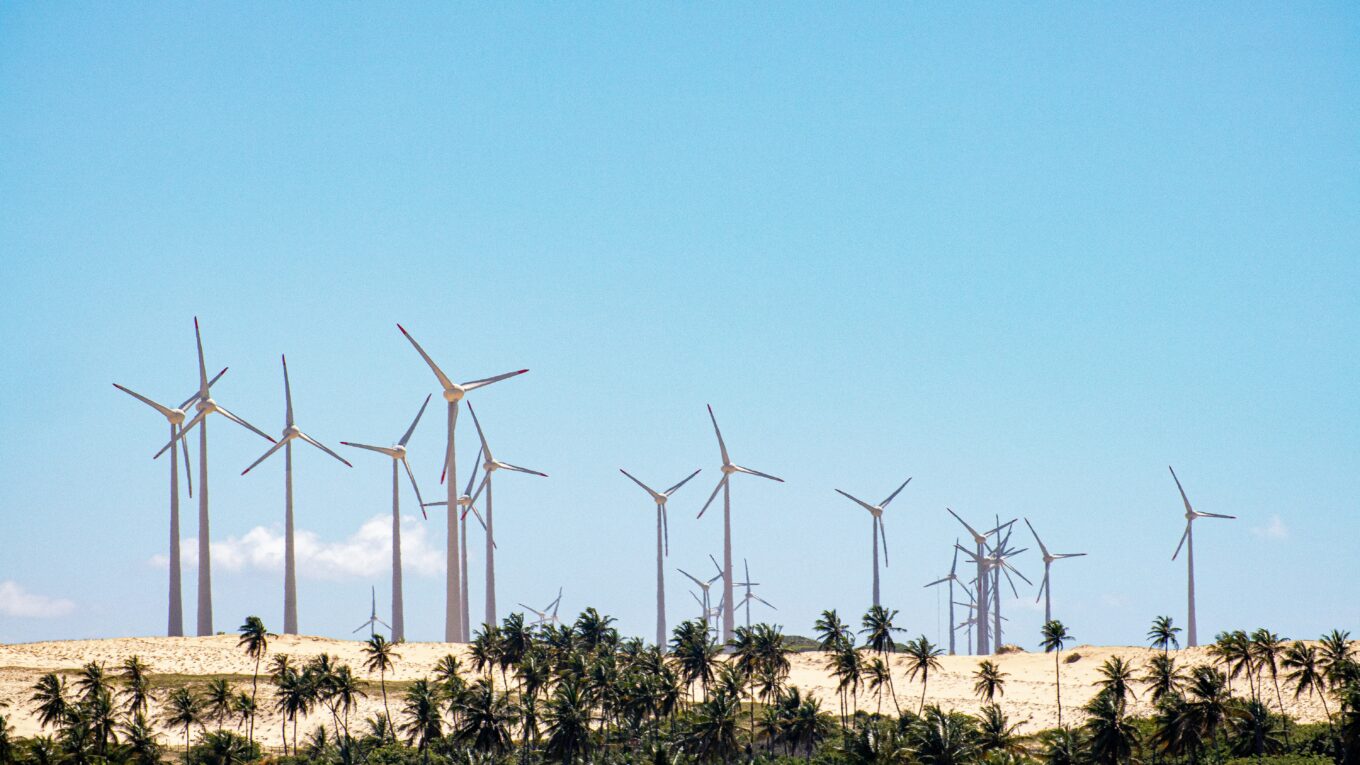
Decarbonisation is at the heart of ASEAN’s energy cooperation, representing both a technical challenge and a social transformation. Decarbonization provides the emission reduction side of that balance, while carbon removal technologies (like reforestation or carbon capture) provide the removal side. Together, they enable net-zero. All 10 ASEAN countries are signatories to the Paris Agreement, and nearly all have committed to achieving carbon neutrality or net-zero emissions between 2040 and 2065, with the exception of the Philippines.
The upcoming ASEAN Plan of Action for Energy Cooperation (APAEC) 2026–2030 by the ASEAN Centre for Energy underscores this vision with its theme: “Advancing Regional Cooperation in Ensuring Energy Security and Accelerating Decarbonisation for a Just and Inclusive Energy Transition.” Decarbonization refers to reducing carbon emissions across energy, industry, and transport systems, while ensuring that the transition is just and inclusive to the communities affected.
ASEAN’s Joint Statement to COP30 highlights several pathways to achieve this. First, the region emphasizes the importance of carbon pricing instruments—such as carbon taxes and Emissions Trading Systems (ETS)—to drive emissions reductions while maintaining transparency and environmental integrity.
Second, the deployment of key decarbonisation technologies, including Carbon Capture, Utilisation and Storage (CCUS) and low-carbon hydrogen, is prioritized to cut emissions in hard-to-abate sectors. Importantly, ASEAN stresses that emission pathways must align with national development priorities and energy security needs, ensuring that communities affected by energy projects are treated equitably.
Third, ASEAN is advancing regional cooperation through the ASEAN Power Grid, which aims to deliver affordable, secure, and sustainable energy, enabling countries to reduce reliance on carbon-intensive infrastructure.
According to an article from the Business Times, Malaysia, as 2025 chair of Asean, is for instance highlighting at COP30 the importance of regional cooperation through initiatives such as the Asean Power Grid. This facilitates cross-border renewable energy trade and supports the translation of regional ambitions into actionable plans.
“Of the 11 ASEAN countries, 10 have announced national targets to achieve net-zero GHG emissions or to become carbon neutral by 2050, corresponding to the 1.5°C target set by the Intergovernmental Panel on Climate Change (IPCC), except Indonesia, which committed to net zero by 2060, and the Philippines, which is the only ASEAN country that has not committed to a net-zero target.” The research published by S&P Global in 2022 claimed. Front-runner club analysis In the next 5-15 years, Singapore is positioned to be the leader in the decarbonization of power sector. It is followed by Malaysia and Thailand, each representing an emission growth of 11% and 12%. Indonesia, Vietnam, and the Philippines will lag owing to heavy dependence on coal-fired generation and reliance on external funding to support projects. (Zheng, 2022)
Written by Ms. Pakjira Numchaisombut
Communications Officer, the ASEAN Centre for Sustainable Development Studies and Dialogue
Sources:
ASEAN Joint Statement on Climate Change to the 30th Session of the Conference of the Parties to the United Nations Framework Convention on Climate Change (UNFCCC COP 30)
https://asean.org/wp-content/uploads/2025/10/16.-Climate-change.pdf
Asean and global emerging markets step up at COP30 – The Business Times
Zheng, C. (2022, August 24). “Which ASEAN countries will be the front-runners to decarbonize their power sectors?” S&P Global. Retrieved from https://www.spglobal.com/energy/en/research-analytics/which-asean-countries-will-be-the-frontrunners-to-decarbonize