Moderation, Reasonableness and Prudence: The Sufficiency Economy Model
Have you ever checked how much electricity you waste while pulling an all-nighter? Or how you use your laptop and iPad all at once to boost your energy (but not your productivity)? They quietly turn into habits of using more than we actually need.
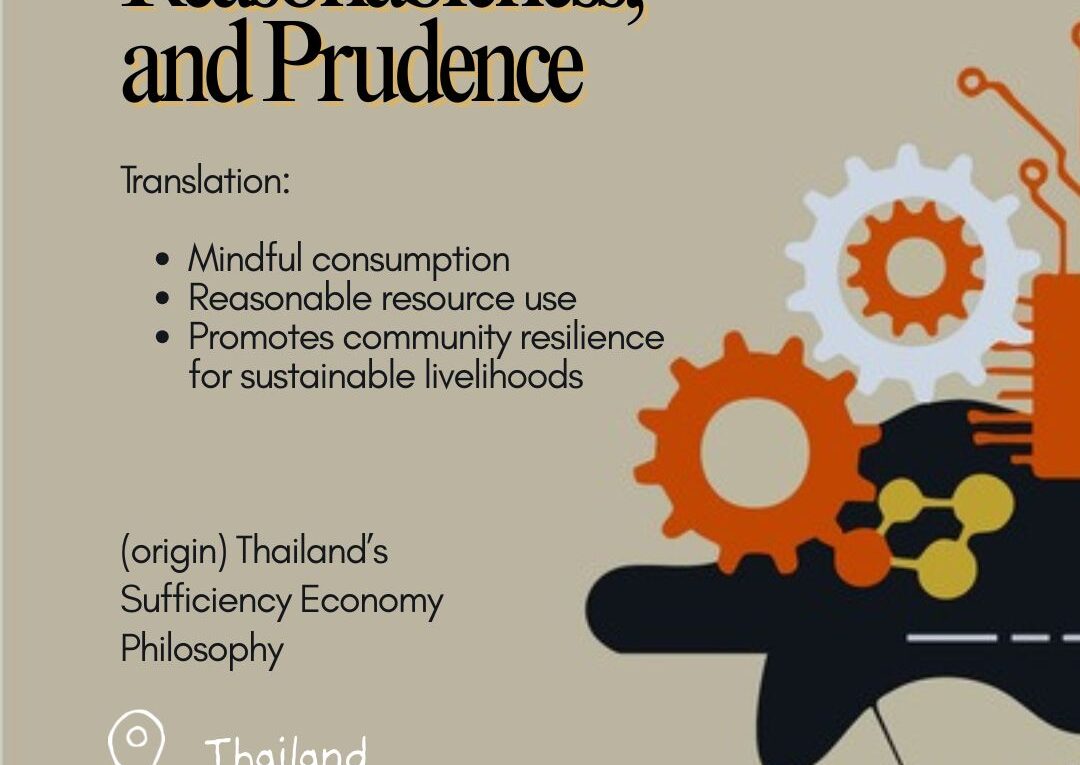
Thailand has a way of thinking about mindful use of resources called the Sufficiency Economy Philosophy (SEP). At its core are three ideas: moderation, reasonableness, and prudence. In simple terms, it means using resources mindfully and making choices that don’t burn out people, communities, or the planet.
It might sound like an old-school concept, but honestly, it feels very Gen Z. Think about the rise of the underconsumption core, thrifting culture, and people pushing back against fast fashion. Many young people are realizing that endless consumption doesn’t actually make life better.
SEP says: sustainable growth starts with mindful choices.
So maybe the next time you pull an all-nighter, don’t overcharge your devices, close unused tabs, and unplug what you’re not using.
Mindful Consumption through the Sufficiency Economy Philosophy – An example in practice
Moderation
Use only the amount of energy that is truly necessary.
For example, instead of running a laptop, iPad, and multiple lights during a study session, try using a single lamp and one device.
Reasonableness
Multiple screens may feel motivating, but they may not always contribute to better focus.
Make reasonable choices to discipline yourself, over a short-live motivation. Or better yet, use the double screen feature on one device instead. Choosing efficient devices, managing screen utility, and closing unnecessary applications are small ways to apply reasonableness to daily energy use.
Prudence
Think about long-term impacts and risks.
Prudence involves anticipating consequences such as higher electricity bills, environmental impact, or unnecessary energy waste. Charging devices only when needed, unplugging chargers after use, and being mindful of overnight electricity use are practical steps that reduce waste while promoting sustainability.
Together, moderation, reasonableness, and prudence transform energy use into a habit of mindful consumption, a small but meaningful step toward sustainable living.
This SEP model is also of great use to the advancement of the SDGs:
Click here to learn more about Sufficiency Economy Philosophy Thailand s Path towards Sustainable Development Goals
Click here to learn more about SEP at a glance: How does SEP get us to “sustainability”?
Do you like Thailand’s Sufficiency Economy Model? Have you heard about the spirit of diskarte from the Philippines?
Then you might also like Gotong Royong, ASEAN local wisdom for the sustainable development.
What is ACSDSD doing with local wisdom, find out in the opinion piece by Ms. Narisara Bahalayothin for the ACSDSD
Written by Pakjira Numchaisombut